



Inca

The market, leatherwork and cellers, the old wine cellars, still shape everyday life in Inca. Its position between Palma, the north, the Pla and the Tramuntana made it a trading centre for centuries. The Dijous Bo fair grew out of that role as a meeting place for the Part Forana, the area outside Palma.

Local editorial content revised November 11, 2026.

Getting to know Inca on market day

Inca’s Thursday market has deep roots. Local records describe a farming settlement associated with a market even before the Christian conquest. Situated between several regions of Mallorca, Inca became a natural place to trade crops, livestock and craft goods.

Until the mid-20th century, traders arrived by cart on Wednesday evening and filled local inns, taverns and cellers. On Thursday, people came to buy everything from animals to cooking pots, shoes and siurells, the island’s painted clay whistles. The fair grew out of this weekly meeting.

Dijous Bo, Inca’s great annual fair

The autumn fairs and Dimecres Bo lead up to Dijous Bo, Inca’s major November fair. Inca once held a second Dijous Bo in May; the revived spring fair is now called Dijous Gros.

For local families, the fair means relatives returning, streets full of people, livestock on show and busy cellers. For a few days Inca once again feels like the meeting place for the whole of the Part Forana.

Leather, shoes and the town’s industrial heritage

Leather and shoemaking employed generations here. Factories, workshops and the trades that supplied them changed the shape of the town, family livelihoods and Inca’s links with the rest of Mallorca.

The Museu del Calçat i de la Indústria traces that story from handcraft to modern manufacturing. Local brands and workshops still connect this industrial heritage with contemporary design.

Eating in Inca’s old wine cellars

Inca’s cellers originally made and stored wine. Many later became restaurants serving Mallorcan food. In some, large vaults and old wine barrels still give the dining room the unmistakable character of a cellar.

Eating in a celler connects you with the farming and trading town that existed before the shoe factories. You can still trace that link in the cooking.

Living in Inca

Today Inca has a railway station, shops and public services, all in a compact town in central Mallorca. The Raiguer, Tramuntana, Pla and northern coast are within easy reach.

Conditions vary by neighbourhood. When looking at flats, check the lift, parking and any renovation work needed. Further from the centre, local services and access matter more. The rail connection is a practical advantage over many smaller inland towns.

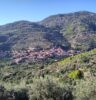
Photo: Frank Vincentz · CC BY-SA 3.0 · Wikimedia Commons

LOCAL HOUSING INFORMATION

Housing in Inca

Municipal figures give a general picture of the market. Averages cannot value an individual home or distinguish between neighbourhoods.

SALE

Homes for sale

Regional 2,070 €/m² 2025
Official 2,137 €/m² 2025
Fotocasa 2,868 €/m² October 2026
Idealista 3,055 €/m² October 2026

Each source uses its own period and methodology. Figures are shown separately.

RENT

Homes for rent

Official 6.71 €/m²/month 2024
Fotocasa 16 €/m²/month October 2026

Each source uses its own period and methodology. Figures are shown separately.

Local editorial information reviewed on 11 de November de 2026. Each source states the period covered by its market figures.

Start typing and press Enter to search