
Migjorn: market towns, salt flats and the south coast of Mallorca
In southern and southeastern Mallorca, open fields and pale stone villages meet salt flats, small coves and long sandy beaches. Pair a day by the sea with time in Santanyí, Campos, Ses Salines or Felanitx to see the character of the Migjorn.
Revised editorial content on 11 November 2026
Large sands, dune systems, coves and protected areas coexist with tourist centres of very different scales.
Santanyí, Campos, Ses Salines or Felanitx maintain centers with their own activity, especially visible on market days.
The interior is open, agricultural and dry; approaching the sea quickly changes the landscape towards salt flats, pine groves, coves and rocky platforms.
Santanyí and the southeast: more than a succession of coves
Santanyí is a good gateway to the southeast due to its market, its stone architecture and the proximity of very different coastal cores. Cala Figuera maintains a visible relationship with the port and fishing; Portopetro has another stopover; Cala d’Or responds to a planned tourist development; and Cala Santanyí or Cala Llombards offer smaller and seasonal landscapes.
The Mondragó Natural Park helps to understand that the Migjorn coast is not just urbanization and beach: pine forests, ravines, dune systems and coves form a protected landscape that requires a slower visit.
Campos, Ses Salines and the Great South Opening
Campos and Ses Salines allow you to understand the agricultural and saline landscape before reaching the coast. The surroundings of Es Trenc and the Colònia de Sant Jordi combine one of the great beach and dune systems of Mallorca with residential, tourist and maritime activity.
In high season, access to the best known beaches can concentrate a lot of traffic. Staying close or arriving early completely changes the experience. It is also worth devoting time to villages rather than using them only as a road of passage.
Felanitx and Portocolom: interior and port in the same municipality
Felanitx Adds to the Migjorn a very marked historical and agricultural dimension: Sant Salvador, Santueri, wine tradition and an urban centre with market and services. Portocolom, within the same municipality, presents a completely different landscape around one of the most recognizable natural ports of the eastern coast.
This short distance between interior and sea is one of the keys of the south and southeast: in the same day you can move from a village market to a cove without having to cross half island.
How to organize several days
For a first trip it is advisable to divide the area into two: one day for Santanyí, Mondragó and its coastal centres; another for Campos, Ses Salines, Es Trenc and Colònia de Sant Jordi. Felanitx and Portocolom can take a third day or combine according to the accommodation point.
The coast invites you to move a lot in summer, but the Migjorn wins when you leave time for markets, wineries, local product and walks at the end of the afternoon. Out of season, the rhythm changes and some coastal cores have less services, while the towns of the interior maintain a more stable activity.
The Migjorn works best when people and sea alternate. If the whole itinerary is beaches, you miss precisely what differentiates the south of Mallorca from any other Mediterranean destination.
PLACES
Places to explore in Migjorn
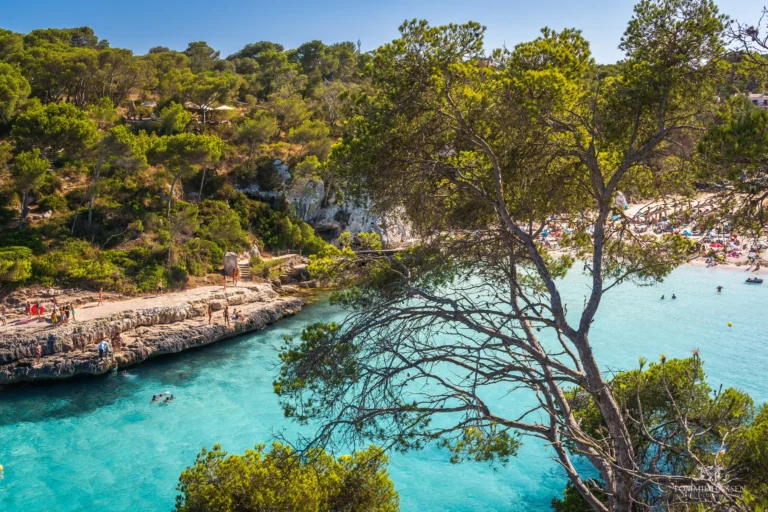
Cala Llombards
History, heritage and local life →
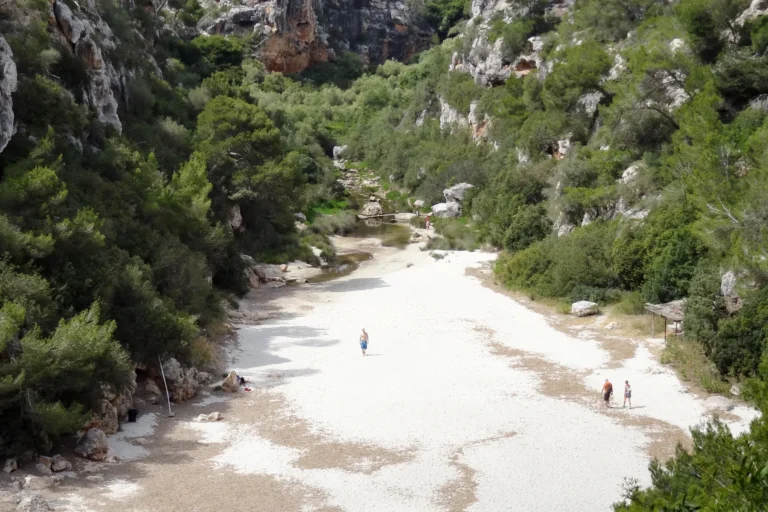
Cala Pi
History, heritage and local life →
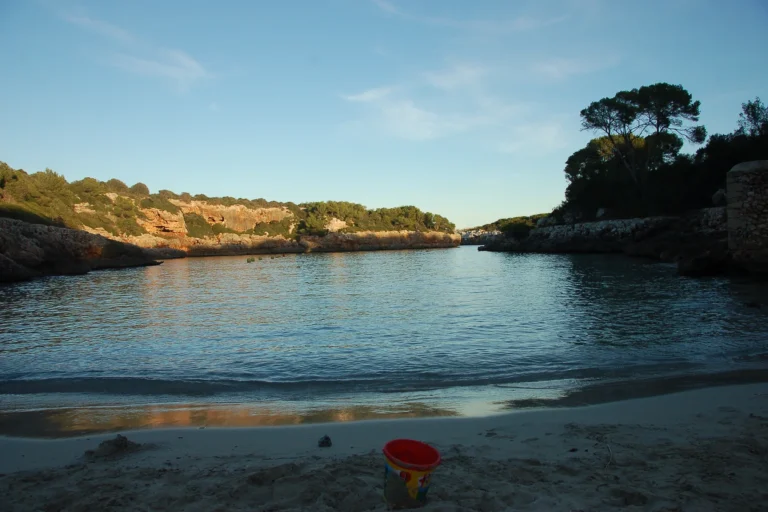
Cala sa Nau
History, heritage and local life →
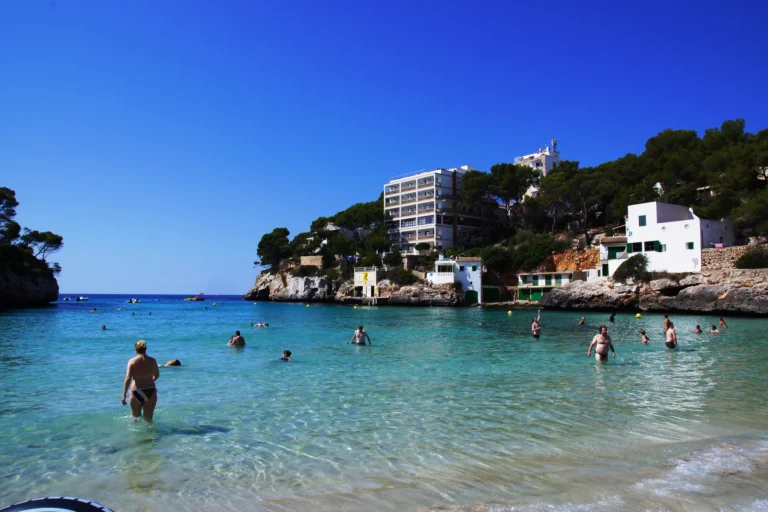
Cala Santanyí
History, heritage and local life →
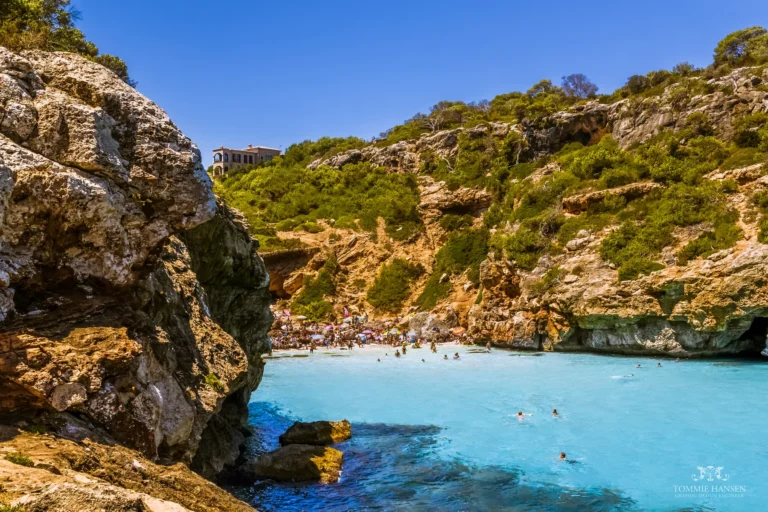
Caló des Moro
History, heritage and local life →
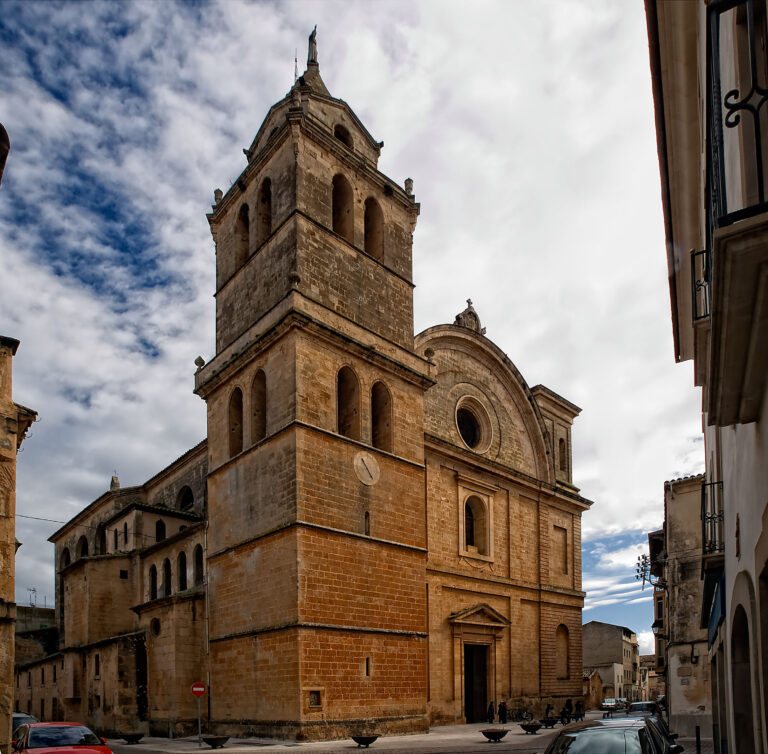
Campos
History, heritage and local life →
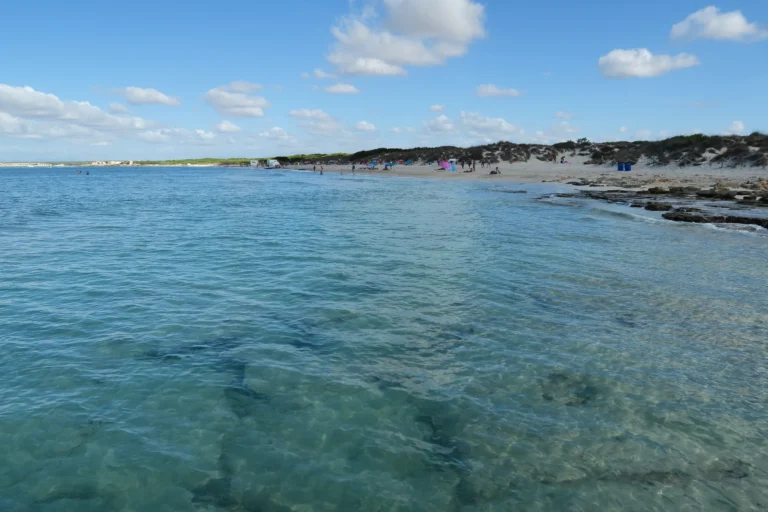
Es Trenc
History, heritage and local life →
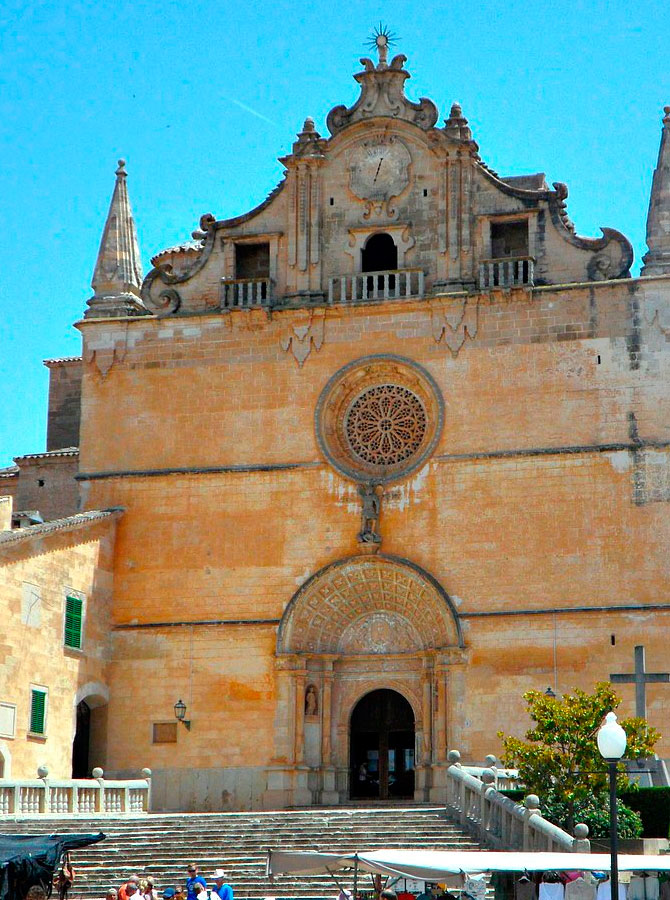
Felanitx
History, heritage and local life →
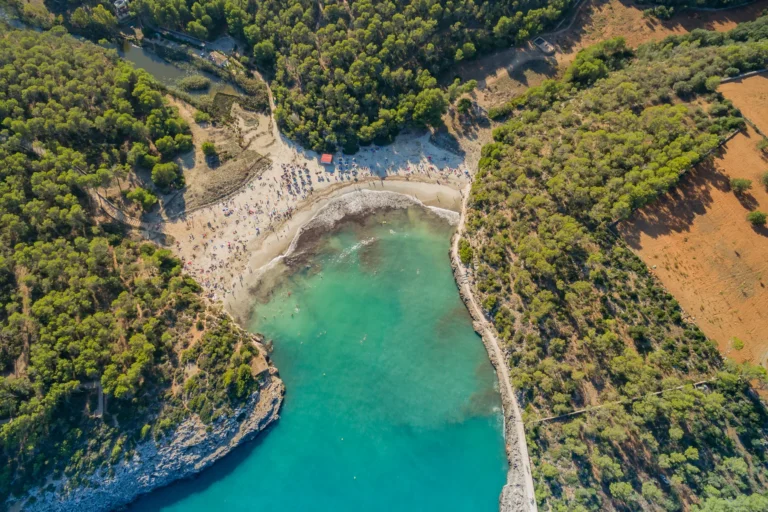
S’Amarador
History, heritage and local life →
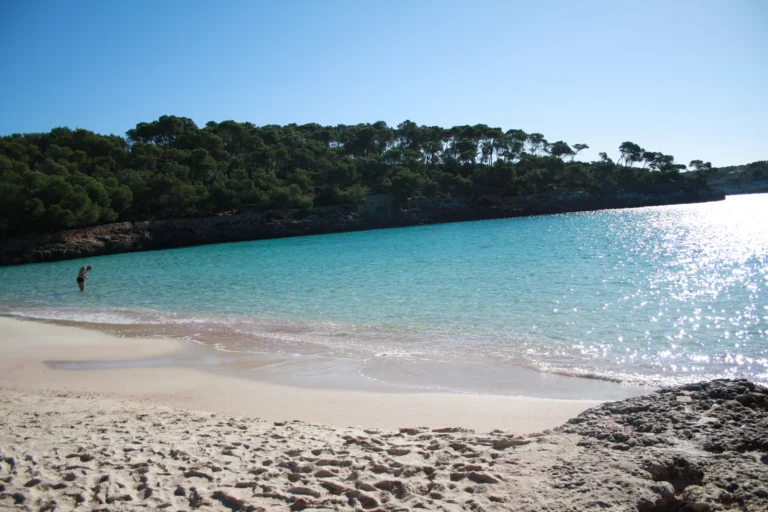
Sa Font de n’Alis · Cala Mondragó
History, heritage and local life →
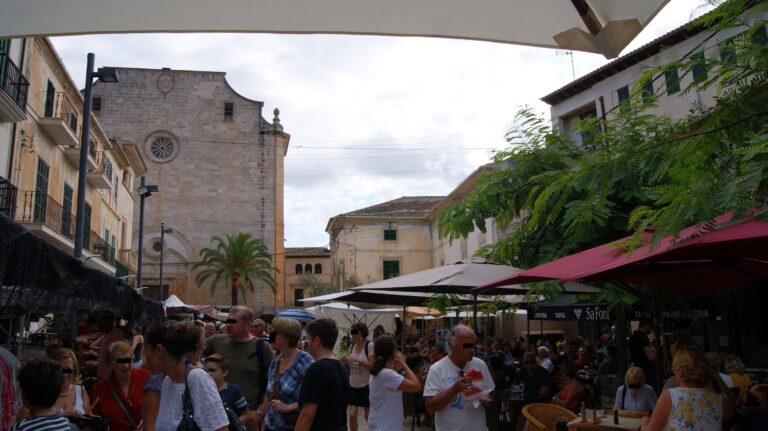
Santanyí
History, heritage and local life →
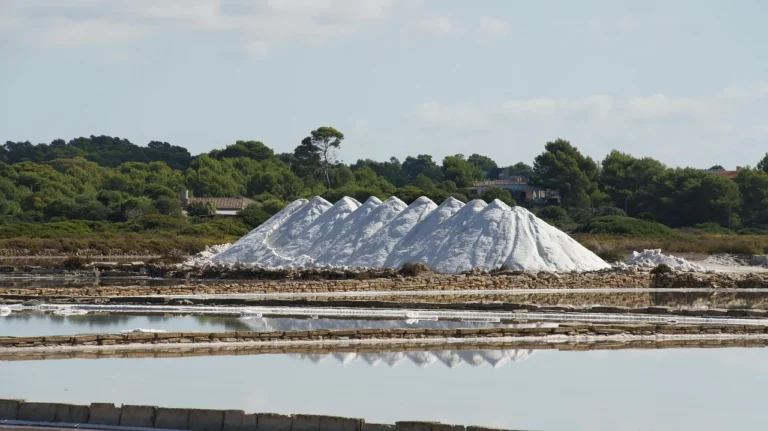
Ses Salines
History, heritage and local life →
