


Ses Salines

Salt gives Ses Salines its name. Beneath the present-day streets, archaeology tells a second story: the remains of an ancient settlement and a large Roman military ditch known locally as sa síquia. Few other places in Mallorca bring the island’s salt-working and archaeological heritage together in this way.

Local editorial content revised November 11, 2026.

Sa síquia, a Roman defensive ditch beneath the village

People settled on the site of today’s town as far back as the Iron Age. The site was reused after the Roman conquest, and excavations have uncovered a military ditch that once protected a fortified enclosure.

Known locally as sa síquia, part of the ditch still runs beneath modern streets and buildings. Some of the most revealing archaeology lies directly under the town.

The salt that gives name to the municipality

At the southern end of the island, salt pans have shaped both the landscape and local livelihoods for centuries. Sun and wind evaporate seawater in a series of ponds. Salt-making takes place alongside wetlands rich in birdlife.

Flor de sal and other local products have brought renewed interest in this old trade. The Fira de la Sal i Salaons in Colònia de Sant Jordi celebrates the knowledge, produce and memories of salt workers and fishers.

A small town with its own memory

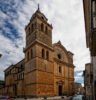
In the small centre of Ses Salines, look for Sant Bartomeu, the tower of Can Barberà and l’Església Vella. The council has also collected old photographs to preserve a visual record of everyday life.

The local anthem began as verses written decades ago and later set to music. It is still heard at celebrations and public events.

Colònia de Sant Jordi: port, fishing and tourist transformation

Colònia de Sant Jordi is the municipality’s main coastal settlement. It grew around fishing, the harbour and the salt pans, then changed with the arrival of tourism and summer residents. Today the small port, hotels and local services sit close to some of the south’s best-known beaches.

Cabrera, Es Trenc and the salt pans all feature in the life of the Colònia. Its setting and pace are quite different from those of inland Ses Salines.

Living in Ses Salines

Ses Salines town stays active throughout the year. The Colònia has many permanent residents too, although summer brings a more pronounced change in pace. Townhouses and rural homes are more common inland, while the coast has more apartments and holiday homes.

Consider everyday journeys, winter services and the condition of previous renovations. For rural properties, check the planning status of each building. Near protected areas it is particularly important to establish which uses are permitted.

Photo: HaraldSchneider · Pixabay Content License · Wikimedia Commons

LOCAL HOUSING INFORMATION

Housing in Ses Salines

Municipal figures give a general picture of the market. Averages cannot value an individual home or distinguish between neighbourhoods.

SALE

Homes for sale

Regional 3,567 €/m² 2025
Fotocasa 4,643 €/m² October 2026
Idealista 5,197 €/m² October 2026

Each source uses its own period and methodology. Figures are shown separately.

RENT

Homes for rent

Official 7.16 €/m²/month 2024
Fotocasa 11 €/m²/month October 2026

Each source uses its own period and methodology. Figures are shown separately.

Local editorial information reviewed on 11 de November de 2026. Each source states the period covered by its market figures.

Start typing and press Enter to search