



Palma de Mallorca
History
The history of Palma de Mallorca is rich and complex, marked by cultural influences from various civilizations over the centuries. Here is a summary of the main historical events in Palma:
Prehistoric Period:
Before the arrival of more advanced civilizations, Mallorca was inhabited by prehistoric populations. Archaeological remains dating back to the Bronze Age have been found.
Roman and Byzantine rule:
The Romans arrived in Mallorca in 123 BC, and the island was incorporated into the Roman Empire. During this period, Palma became an important city called “Palmaria Palma.”
After the fall of the Roman Empire, Mallorca was occupied by the Byzantines for a short period.
Muslim rule:
In 903, the Muslims invaded Mallorca and established the Emirate of Cordoba. During this time, Palma became an important commercial and cultural center under the name “Medina Mayurqa.”
In 1229, King James I of Aragon carried out the Reconquista and conquered Mallorca. Palma was taken after a siege, and the Kingdom of Mallorca was established under the Crown of Aragon.
Medieval and Renaissance periods:
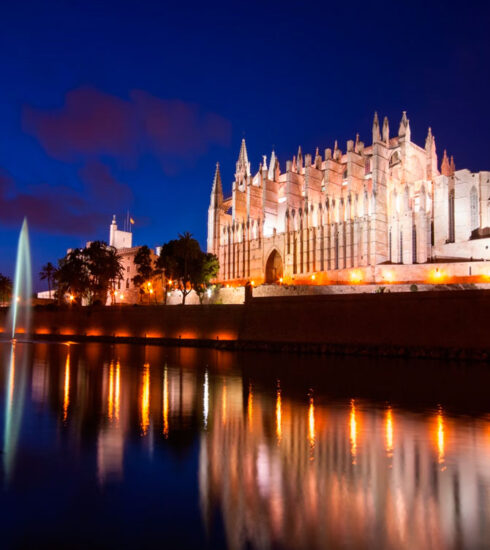
During the Middle Ages, Palma experienced a period of growth and prosperity. Iconic buildings such as the Cathedral of Santa María de Palma (La Seu) and the Royal Palace of La Almudaina were constructed.
Spanish rule:
Following Mallorca’s union with the Crown of Aragon, the island finally came under Spanish rule in the 15th century, becoming part of the Kingdom of Spain.
Modern Centuries:
During the 16th and 17th centuries, Palma experienced a certain economic decline, aggravated by pirate attacks. In the 18th century, Mallorca was affected by the War of Spanish Succession, and the island came under Bourbon control.
19th and 20th centuries:
Throughout the 19th century, Palma and Mallorca experienced economic and social recovery.
In the 20th century, the island became an increasingly popular tourist destination, transforming the economy and life of the city.
The history of Palma de Mallorca reflects its strategic position in the Mediterranean and the diversity of cultures that have influenced it over time. Today, the city preserves numerous vestiges of its rich history, which can be explored in its streets, monuments, and museums.
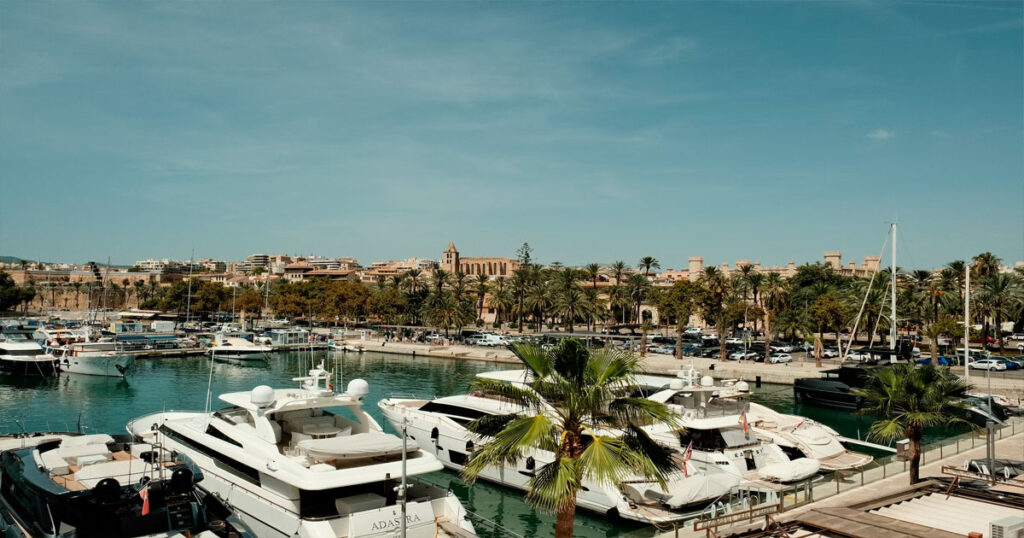
Culture
The culture of Palma de Mallorca is rich and diverse, reflecting the island’s history and the influence of various civilizations over the centuries. Here are some highlights of Palma’s culture:
Architecture and Heritage:
The historic center of Palma boasts impressive architecture, including the Cathedral of Santa María de Palma (La Seu), the Royal Palace of La Almudaina, and La Lonja.
The Gothic Quarter and Old Town feature cobbled streets, charming squares, and buildings with medieval charm.
Holidays and Celebrations:
Religious holidays, such as Holy Week, are important in the local culture. During these celebrations, processions and traditional events are held.
Other festivities include the Feast of Saint Sebastian and local celebrations in honor of patron saints.
Gastronomy:
Mallorcan cuisine is an integral part of the culture. Traditional dishes include sobrasada, ensaïmada, tumbet (vegetable stew), and frito mallorquín.
Local markets, such as the Mercat de l’Olivar, offer fresh, local produce.
Art and Museums:
Palma is home to several museums, such as the Es Baluard Museum of Modern and Contemporary Art, which exhibits modern and contemporary art.
The Pilar and Joan Miró Foundation in Mallorca presents the work of the famous painter Joan Miró, who spent part of his life on the island.
Music and Dance:
Traditional Mallorcan music, such as the “xeremies” (bagpipes) and “castanyoles” (castanets), is often heard during cultural events and festivities.
Folk dancing is also part of the local culture, with traditional dances performed on various occasions.
Language:
Catalan is the official language in Mallorca, although Spanish is also widely spoken. The preservation and promotion of Catalan are important aspects of cultural identity.
Traditional Sports:
Traditional Mallorcan games and sports, such as “juego del palma” and “llargues,” are part of the local culture and are played on special occasions.
Markets and Crafts:
Local markets offer a variety of handmade products, from jewelry to leather goods and ceramics. Local crafts reflect the history and tradition of the island.
Go shopping
Palma de Mallorca offers a diverse and exciting shopping experience with a wide variety of stores, boutiques, and markets. Here are some options for enjoying shopping in the city:
Paseo del Borne:
This is one of Palma’s most exclusive shopping areas, with international designer boutiques, luxury stores, and jewelry shops.
Jaime III:
An elegant shopping avenue that houses fashion stores, boutiques, and major brands. It is a popular place to buy designer clothing, shoes, and accessories.
Centro Comercial Porto Pi:
This shopping center has a wide range of stores, including fashion, technology, home goods, and decor. There is also a restaurant area and movie theaters.
Mercat de l’Olivar:
This market is an excellent option for those looking for fresh, local produce, including fruit, vegetables, meat, fish, and artisanal products.
San Miguel Street:
A pedestrian street in Palma’s historic center, where you’ll find a mix of fashion boutiques, souvenir shops, jewelry stores, and more.
Local Shop Route:
Explore the narrow streets of the old town to discover local shops selling authentic products such as handicrafts, ceramics, clothing by local designers, and unique items.
Fan Shopping Center, Mallorca Shopping:
Located on the outskirts of the city, it is one of the largest shopping centers on the island, with a wide variety of fashion, electronics, home decor, and entertainment stores.
Art Galleries:
Palma is home to several art galleries showcasing works by local and international artists. These galleries are ideal if you are interested in contemporary art and the visual arts.
Local Products:
Don’t miss the opportunity to buy local products such as sobrasada, olive oil, island salt, and typical liqueurs such as Mallorcan herbs.
Historic Commercial Areas:
Explore the streets of the Old Town, such as the Plaza Mayor and its surroundings, where you will find charming shops and boutiques with unique items.
The culture of Palma de Mallorca is a fascinating blend of ancient traditions and modernity, where Mediterranean influences and local roots intertwine to create a unique identity. The city is welcoming and vibrant, offering visitors and residents an enriching cultural experience.
Activities
Palma de Mallorca offers a wide variety of activities for all tastes and ages. Here are some suggestions for activities you can enjoy in the city:
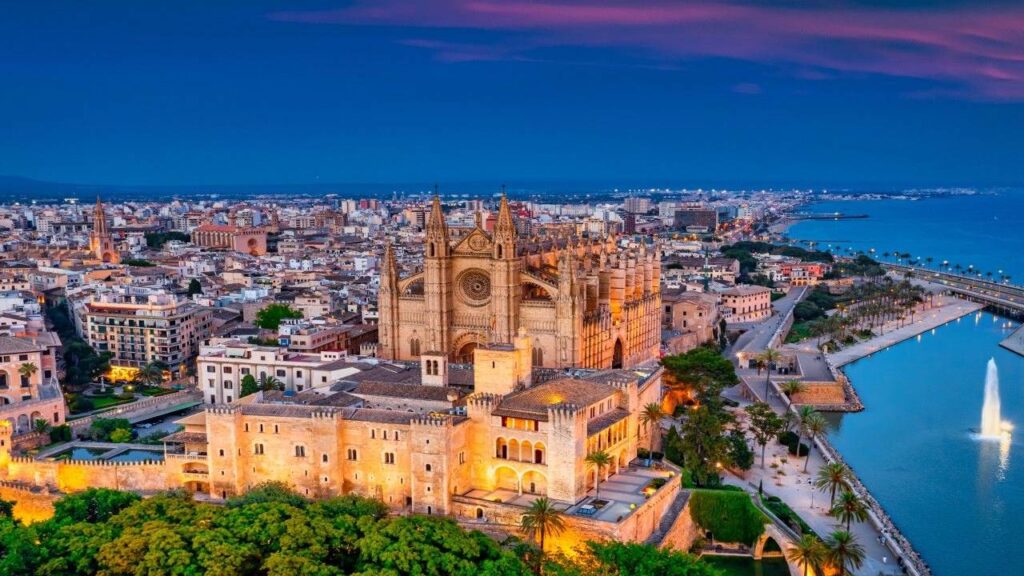
Visit the Cathedral of Santa María de Palma (La Seu):
Explore this impressive Gothic cathedral, famous for its unique architecture and seaside location.
Strolling through the Old Town:
Discover the narrow streets of the old town, full of charm, boutique shops, cafes, and restaurants.
Almudaina Royal Palace:
Visit this Arab palace converted into a royal residence, located right next to the cathedral.
Paseo Marítimo / Seafront promenade:
Enjoy a pleasant stroll along the promenade, lined with restaurants, bars, and sea views.
Es Baluard Museum of Modern and Contemporary Art:
Discover an impressive collection of modern and contemporary art in this museum located by the sea.
Santa Catalina Market:
Explore this lively market, known for its stalls selling fresh produce, local foods, and dining options.
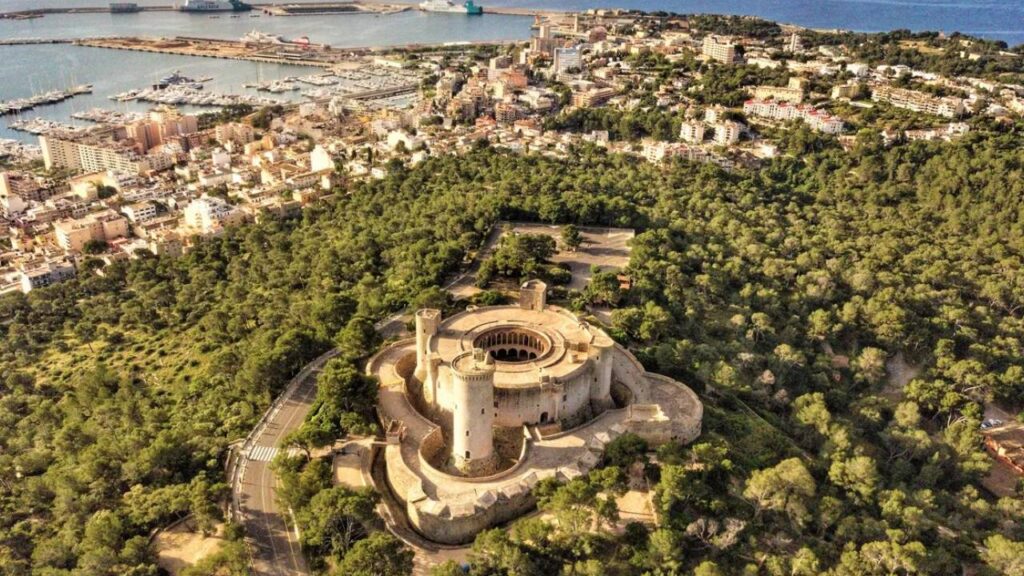
Bellver Castle:
Visit this medieval castle with its unique circular architecture and enjoy panoramic views of Palma and its surroundings.
Boat Excursions:
Take advantage of Palma’s coastal location and go on a boat trip to enjoy the views from the sea.
Golf:
Enjoy a round of golf at one of the region’s golf courses, such as Golf Son Vida.
Cycling:
Rent a bike and explore the surroundings of Palma, either along the coast or venturing into the hills of the Sierra de Tramuntana.
Beaches:
Relax on nearby beaches, such as Playa de Palma or Cala Mayor, and enjoy the sun and sea.
Water Sports:
Practica deportes acuáticos como snorkel, buceo, windsurf o kayak en las aguas cristalinas de la isla.
Local Cuisine:
Discover the rich local cuisine in the city’s numerous restaurants and tapas bars.
Shows and Events:
Look for cultural events, concerts, or shows that may be taking place during your visit.
Accommodation
Palma de Mallorca offers a wide range of accommodations to suit different budgets and preferences. Here are some popular options:
Hotels:
Palma is home to a variety of hotels, ranging from luxury options to boutique and budget hotels. Some hotels are located in the historic center, while others are near the beach or on the outskirts of the city.
Tourist Apartments:
Many tourist apartments offer a convenient option for those who prefer more independence and space. You can find options in the city center or in more residential areas.
Hostels and Guesthouses:
For those on a tighter budget, hostels and guesthouses offer affordable accommodation options. Some are located in the city center or close to major attractions.
Rural Houses:
If you prefer a quieter setting, consider staying in a rural house on the outskirts of Palma or in the Mallorcan countryside. This may be ideal for those seeking a more relaxed experience.
Resorts y Spa:
If you are looking for a more luxurious experience, there are several resorts and spa hotels on the outskirts of Palma. Many of them offer amenities such as swimming pools, gourmet restaurants, and wellness services.
Accommodation with Sea Views:
Some hotels and apartments have spectacular sea views, especially in areas such as the Paseo Marítimo or near the beaches.
Accommodation in the Old Town:
Staying in the old town gives you the opportunity to immerse yourself in the history and culture of Palma. There are charming boutique hotels and apartments in this area.
Hotels near the airport:
For short stays or if you prefer to be close to the airport, there are convenient accommodation options in the vicinity of Palma de Mallorca Airport.
Remember to book in advance, especially during the high tourist season. Accommodation options vary depending on the time of year, so choose the one that best suits your needs and preferences. Online platforms such as Booking.com, Airbnb, and others are useful for finding and comparing different accommodation options in Palma de Mallorca.
Visita otros lugares de la Isla
Living in Palma
Living in Palma de Mallorca can offer a unique experience, as it combines the convenience of a cosmopolitan city with the natural beauty of the island. Here are some things to consider if you are thinking of moving to Palma:
Quality of Life:
Palma de Mallorca offers a high quality of life. The climate is generally mild and pleasant, and the city offers a wide range of services and amenities.
Culture and Lifestyle:
The city has a rich cultural heritage, with its medieval old town, historical monuments, and cultural events throughout the year.
The lifestyle is relaxed and geared towards outdoor activities and enjoying the coast and nature.
Housing:
The range of housing in Palma varies from apartments in the historic center to larger properties on the outskirts or in residential areas.
Housing prices can vary, with the city center being more expensive than more remote areas.
Cost of Living:
The cost of living in Palma de Mallorca can be higher compared to other areas of Spain. This is partly due to tourist demand and the quality of life the city offers.
Employment:
Tourism is an important part of Mallorca’s economy, which means there are job opportunities in hospitality, tourist services, and retail.
There are also opportunities in other sectors, such as the nautical industry, construction, and technology.
Transportation:
The city has a good public transportation network, including buses and trains. There are also taxi services and bicycle rentals.
La isla tiene un aeropuerto internacional que facilita las conexiones con otras ciudades europeas.
Education:
Palma offers a variety of educational options, from public schools to private institutions and international schools.
Climate:
Mallorca has a Mediterranean climate with warm summers and mild winters. Be sure to be prepared for seasonal temperatures and the intensity of the sun in summer.
Language:
Although Spanish is widely spoken, especially in tourist contexts, Catalan is also an official language in the Balearic Islands. Familiarizing yourself with both languages can be beneficial.
Culture and Lifestyle:
Immerse yourself in the local culture and adapt your lifestyle. The island has a relaxed, outdoor-oriented atmosphere with a rich cultural offering.
Health:
Ensure you have access to healthcare services and understand how the healthcare system works in Spain.
Foreign Community:
The island attracts residents from all over the world. Connect with the local expat community for advice and support.
Administrative Procedures:
Find out about the administrative procedures required to reside in Spain, including obtaining a residence card.
Activities and Leisure:
The city has a vibrant social and cultural scene with restaurants, bars, cafes, and events throughout the year.
The nearby beaches and the island’s natural beauty provide opportunities for outdoor activities and water sports.
Restaurantes en Palma

IZAKAYA Japanese Restaurant
- 8 de May de 2020
Ritzi Group
- 30 de April de 2020