


Manacor

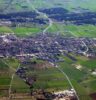
Manacor is a substantial inland town in its own right and the administrative centre of a municipality that stretches to the coast. Its urban centre, Porto Cristo, Son Macià and the coastal settlements have distinctly different characters. Together they make Manacor one of the most varied municipalities in the Llevant.

Local editorial content revised November 11, 2026.

From medieval town to regional centre in the Llevant

Archaeological sites across the municipality bear witness to settlement since prehistory. The town grew around the early church of Santa Maria. In the early 14th century Jaume II’s programme of town planning helped establish it as a regional centre.

The convent of Sant Vicenç Ferrer dates from the 16th century. Districts such as Fartàritx grew around the town, and the arrival of the railway in 1879 helped make Manacor the industrial and commercial centre of eastern Mallorca. Woodworking and the manufacture of imitation pearls shaped much of its economy in the 20th century.

Exploring the town centre on foot

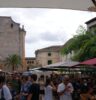
Start with the square and the church of Nostra Senyora dels Dolors, then walk to Sant Vicenç Ferrer and its cloister. The coast often gets more attention than the town itself, but the shops and services here keep the centre busy throughout the year.

Manacor was also home to Antoni Maria Alcover. His work as a linguist and folklorist is an important part of Mallorcan and Catalan culture and gives the town a story beyond its pearls and furniture.

Porto Cristo and the coast of Manacor

Porto Cristo, the municipality’s second main settlement, is a working port, a residential town and a holiday destination. The Coves del Drach and Coves dels Hams drew visitors to the area. Allow time for a slower walk around the harbour as well as a cave visit.

Other places along this stretch of coast include Cala Anguila, Cala Mendia, Cala Romàntica and s’Illot. They are fairly close together but vary in landscape and development. Pick one area you want to explore on foot.

Market, trade and local life

The market, shops and businesses in Manacor’s centre offer a glimpse of everyday life in the Llevant, even outside the holiday season. The municipality has also drawn attention to the history of its shops and industries.

Restaurants in town cater to residents as well as visitors. Manacor makes a useful base for a trip combining the coast with inland stops such as Artà, Sant Llorenç or Felanitx.

Living in Manacor

The town has schools, healthcare, shops and a rail link to Palma. People who live here year-round have a wider range of services close at hand than in many smaller towns in eastern Mallorca.

In a town flat, look at its condition, lift access and parking. For a coastal apartment, consider the terrace, shared facilities and seasonal activity. Outside the town, check the land, access and planning records. A single figure for Manacor tells you little about the differences between these areas.

Photo: JoanSMF · CC BY-SA 4.0 · Wikimedia Commons

LOCAL HOUSING INFORMATION

Housing in Manacor

Municipal figures give a general picture of the market. Averages cannot value an individual home or distinguish between neighbourhoods.

SALE

Homes for sale

Regional 2,510 €/m² 2025
Official 2,519 €/m² 2025
Fotocasa 3,490 €/m² October 2026
Idealista 3,450 €/m² October 2026

Each source uses its own period and methodology. Figures are shown separately.

RENT

Homes for rent

Official 6.04 €/m²/month 2024
Fotocasa 15 €/m²/month October 2026

Each source uses its own period and methodology. Figures are shown separately.

Local editorial information reviewed on 11 de November de 2026. Each source states the period covered by its market figures.

Start typing and press Enter to search