


Felanitx

Felanitx

History

People have lived in what is now Felanitx since the Bronze Age. The settlement of Closos de Can Gaià in Portocolom and the Talayotic remains at Es Rossells are among the municipality’s archaeological sites. Finds also document Roman and Islamic settlement in the area.

After the Christian conquest of Mallorca, Felanitx grew as a centre for farming and crafts. In 1348, during the Black Death, permission was granted to build a church on Puig de Sant Salvador. That church was the origin of the sanctuary that still dominates the landscape.

In the 16th century, Felanitx played a prominent part in the Revolt of the Germanies. Joanot Colom, one of its leaders, came from the municipality. In later centuries the convent of Sant Agustí became firmly established, and farming and trade sustained the town.

Wine brought considerable prosperity in the 19th century. In 1844 the collapse known as Sa Timba caused hundreds of casualties. Felanitx received city status in 1886. Phylloxera devastated the vineyards in 1891, but winemaking survived. The 20th century brought the Oenological Station and the cooperative winery known as Es Sindicat.

felanitx

Puig des Molins and productive landscape

The windmills around Felanitx recall the importance of grain production. Their silhouettes are part of the landscape alongside lanes, terraces, vineyards and farm buildings.

Together, these structures show how farmers used wind, water and the shape of the land before mechanisation. The surviving mills make that connection between the local economy and its buildings especially clear.

felanitx

Sa Font and the center of Felanitx

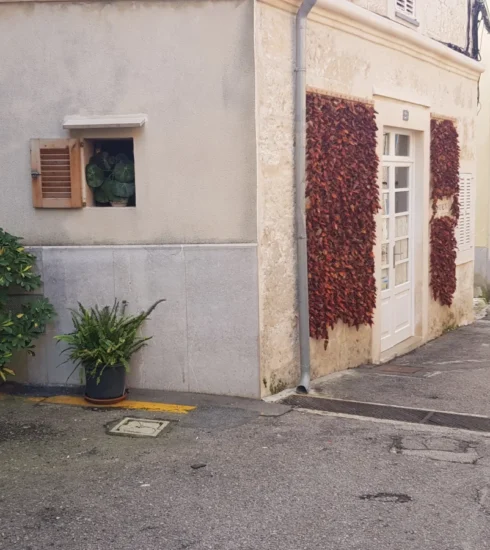
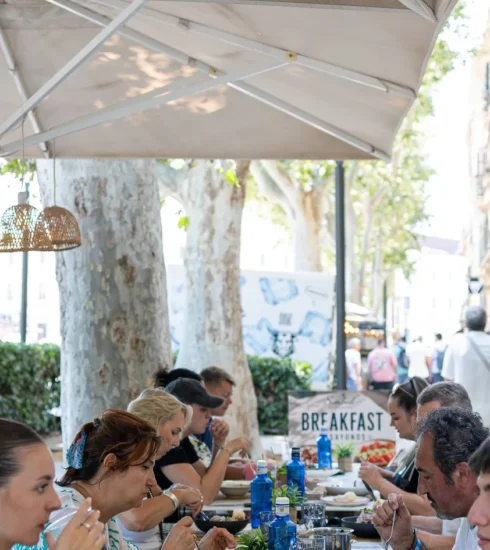
Around sa Font de Santa Margalida and the central squares, the town goes about its daily business. On Sundays, the weekly market extends through the old centre with stalls selling food, flowers and crafts.

A walk through the centre links the municipal market, the church of Sant Miquel and the convent of Sant Agustí. The buildings along the way trace the town’s growth into the 20th century.

felanitx

Culture and heritage

The prehistoric settlement at Closos de Can Gaià, the strategic hilltop castle of Santueri and the sanctuary of Sant Salvador span very different periods of local history. In the town itself, look for the church of Sant Miquel, Sant Agustí convent and the municipal market.

Wine remains part of the local economy and culture through the work of the area’s growers and wineries. The Sant Agustí festivities, village celebrations and markets also give Portocolom, s’Horta, Cas Concos and Es Carritxó their own place in the life of the municipality.

Felanitx urban centre and heritage

Shopping and markets

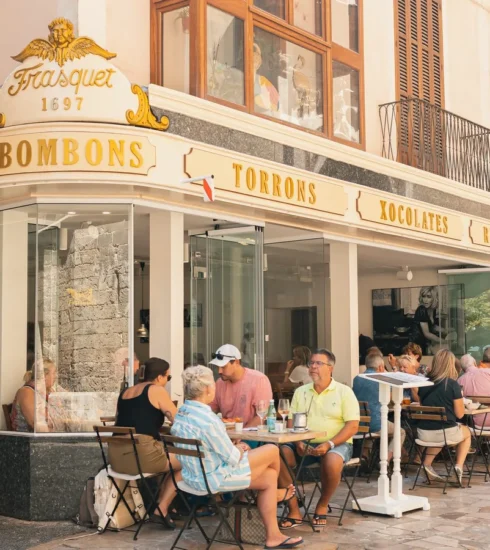
The Sunday market is a good time to see the old town at its busiest and shop for local produce. The municipal market on Plaça de la Constitució also offers a regular selection of food and services.

There are markets in Portocolom, s’Horta and Cas Concos too. Look for wine, olive oil, almonds, food and crafts. Ask about the origin if you specifically want something made or grown on Mallorca.

What to see and do

Sant Salvador: the sanctuary commands wide views across southeastern Mallorca and the countryside that has sustained Felanitx for centuries.

Castell de Santueri: this hilltop fortress occupies a strategic position and preserves evidence of several periods of the island’s history.

Closos de Can Gaià: this prehistoric site near Portocolom offers a glimpse of the early communities that lived here.

Felanitx town centre: explore Sant Miquel, Sant Agustí, the market and the historic streets on foot.

Wine and coast: local wineries introduce visitors to the area’s winemaking tradition. Portocolom, Cala Marçal, Cala Ferrera and Cala Serena offer a different day out by the sea.

Where to stay

Inland, accommodation includes small rural properties and country houses. In Portocolom and the coastal settlements, there is a wider choice of places geared towards a summer stay by the sea.

Choose a base according to whether you want to walk into Felanitx, explore vineyards and country lanes, or stay near the water. Check availability, parking and actual journey times between villages in high season: the municipality covers a substantial area.

Living in Felanitx

Felanitx has a quieter pace than Palma, with shops, a market, schools and essential services close to open countryside. Portocolom and other settlements offer alternatives for those who prefer to live nearer the sea.

Many journeys within the municipality still depend on a car. Check the trip to work, schools, healthcare and shops, as well as routes towards Manacor, Campos, Santanyí or Palma.

Housing in Felanitx town, Portocolom, s’Horta, Cas Concos and the coastal districts differs considerably. Compare similar properties in the same area before drawing conclusions from a municipal average.

What to check before moving here

Older houses: inspect the roof, structure, utilities and signs of damp. Find out what previous renovations involved.

Rural property: compare the land and buildings on site with the land registry, cadastral information and planning records.

Coastal apartments: check shared expenses, special assessments, terraces and the upkeep of communal spaces in Portocolom and around the coves.

Everyday journeys: living on a rural property, in town or beside the sea involves quite different distances and transport needs.

LOCAL HOUSING INFORMATION

Housing in Felanitx

Municipal figures give a general picture of the market. Averages cannot value an individual home or distinguish between neighbourhoods.

SALE

Homes for sale

Regional 2,797 €/m² 2025
Fotocasa 2,904 €/m² October 2026
Idealista 3,586 €/m² October 2026

Each source uses its own period and methodology. Figures are shown separately.

RENT

Homes for rent

Official 5.38 €/m²/month 2024
Fotocasa 14 €/m²/month October 2026

Each source uses its own period and methodology. Figures are shown separately.

Local editorial information reviewed on 11 de November de 2026. Each source states the period covered by its market figures.

Start typing and press Enter to search